
Truck Driver: Salaries, Working Conditions, Life on the Road and Hidden Truths About Earnings – Everything You Need to Know Before You Get Behind the Wheel!
At the heart of every economy, an unstoppable army of people works to ensure that store shelves are never empty, fuel reaches petrol stations, and construction materials reach building sites….
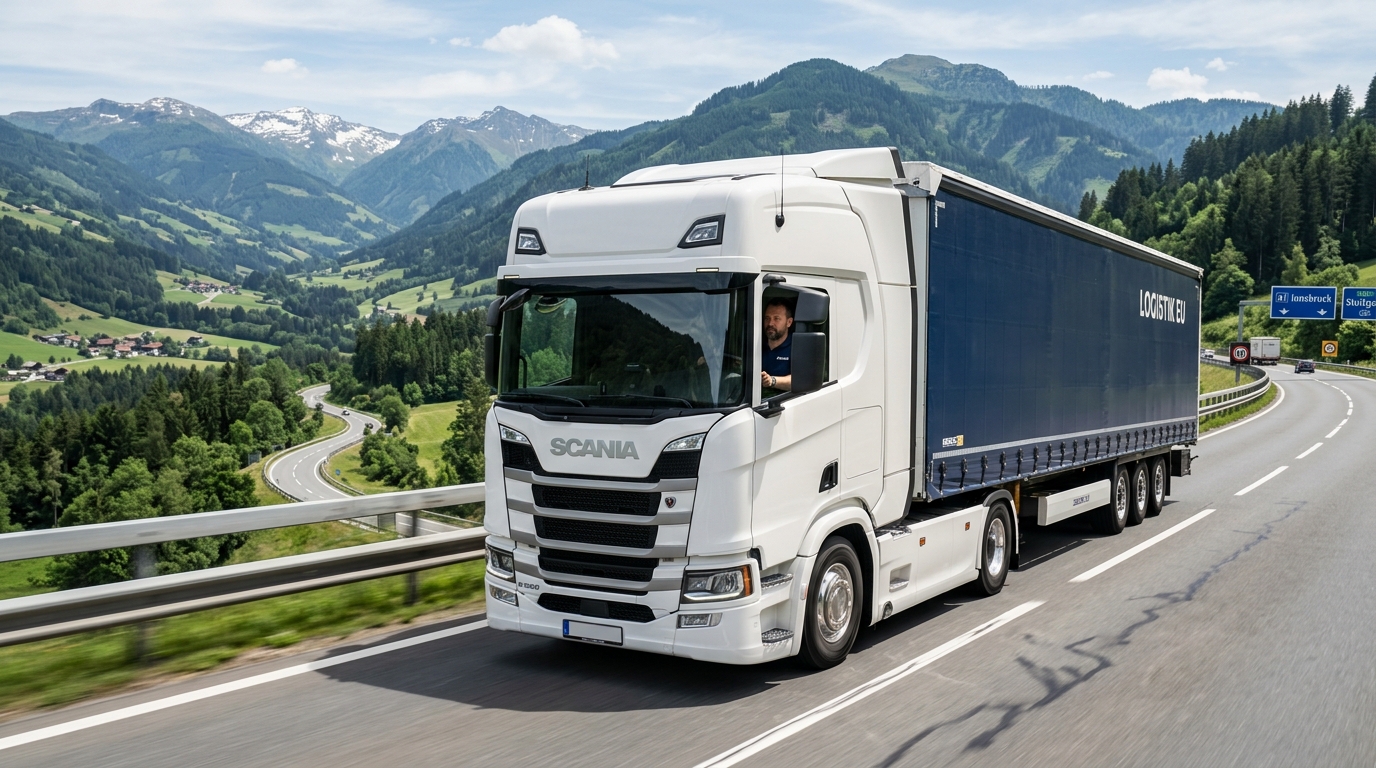
At the heart of every economy, an unstoppable army of people works to ensure that store shelves are never empty, fuel reaches petrol stations, and construction materials reach building sites. We are talking about truck drivers – a quiet yet powerful force that keeps the world moving. Their profession is of vital importance, and in recent years, demand for these indispensable workers has grown exponentially, both in Serbia and the Balkans and across Europe.
If you are considering a career behind the wheel of a heavy truck, or are simply interested in the life of truck drivers, this article on the BALKANDRIVE blog will give you a comprehensive insight into the world of truck drivers – from salaries and working conditions to the challenges of life on the road and the often hidden truth about how actual earnings are calculated. On BalkanDrive.com, you will find the latest jobs and resources to help you make informed decisions!
The Importance and Growing Demand for Truck Drivers
The transport industry is the backbone of modern society. Without professional truck drivers, the supply chain would be disrupted and the economy would come to a standstill. It is no exaggeration to say that they keep the world moving. However, despite their crucial role, the industry faces a serious challenge – a chronic driver shortage.
In Serbia, an estimated 3,000 professional freight vehicle drivers are missing, and the situation is similar in Europe, where around 230,000 driver positions are currently unfilled. There are many reasons: the age profile of the existing workforce, drivers retiring, an increasing outflow of qualified workers to Western Europe, and insufficient interest among young people in this profession. This situation means that truck drivers have stable demand and strong bargaining power in the labour market. This is precisely why portals such as BALKANDRIVE become an indispensable tool for finding the best offers and conditions.
Truck Driver Salary Analysis: Serbia, the Balkans and Europe – The Real Picture of Earnings
One of the first questions for anyone considering this career is, of course, truck driver salary. Although the job is demanding and carries great responsibility, it provides stable income that varies significantly depending on the region, experience and type of transport. However, it is extremely important to understand the earnings structure, as seemingly high offers may be less profitable than they appear.
The earnings structure of an international truck driver consists of three main components:
- Base salary (on paper): This is the official salary on which social security and pension contributions are paid. At companies from the Balkans, it is often at the minimum wage or slightly above. At Western European companies, this base is significantly higher.
- Daily allowances (per diems): This is by far the most significant part of earnings. Daily allowances are compensation for food and accommodation expenses during a business trip. By their nature, they are often tax-free up to a certain amount (depending on the laws of the country where the company is registered) and represent “net cash” for the driver.
- Bonuses and incentives: For kilometres driven, efficiency, special cargo (ADR), etc.
Hidden truths about daily allowances: the nominal per diem and payment for the “45-hour rest”
This is where we come to the key part of understanding actual earnings. You will often see advertisements, even on our portal BALKANDRIVE, offering “high daily allowances” – for example, €130, €140, or even €150 per day. However, it is important to ask the right questions and not let an apparently high figure mislead you:
- [Application] is always included in the daily allowance: In practice, this is always the case – the nominal daily allowance stated by the employer always means that the costs of [prijave] (taxes and contributions on the minimum salary) paid by the company for the driver have already been covered from it. This means that, from the nominal amount stated to you (e.g. €130), part of the sum actually “goes” towards these obligations, and the net cash that remains “in your hand” is lower than the advertised figure. Always ask them to specify the net daily allowance amount that remains after all deductions.
- Payment for the “45-hour rest” and weekend breaks – the key difference: This is the most common factor that makes a drastic difference in total monthly earnings. A company may offer, for example, a nominal daily allowance of €130–€150. However, that daily allowance is almost always paid only for days of active driving. Days when the driver has a mandatory “45-hour rest” (a 45-hour weekly rest period, often spent away from home) or other legally required weekend breaks ARE NOT paid or are paid significantly less. This means that, on a monthly basis, the number of days eligible for daily allowances is reduced by approximately 4–7 days, depending on the work system.
- Example: A driver is on the road for 28 days a month (4/1 work system), but spends 5–7 days on mandatory, unpaid rest periods. Although they are away from home for the entire period (e.g. 28 days), they will receive daily allowances for only 21–23 days of active driving.
- Another important trap: Some companies may tell you that the “45-hour rest” is paid if you stay on the road. However, if the company has a practice of returning you to its base, where it has its own accommodation for drivers, then they will not pay for those days because they believe they have provided you with conditions for rest. Every time you return to base for a break, you lose the daily allowances for those days, which drastically affects your monthly earnings. All of this must be checked before accepting the job!
- Practical conclusion: Is someone offering you a nominal €150 per day but not paying for the 45-hour rest period and weekend breaks, or do you only get paid if you stay on the road while the company sends you back to base? On a monthly basis, this often means you will end up with the same, or even a lower amount, than someone who receives, for example, €100 per day, but for every day spent on the road (including rest days). The number of paid days is crucial!
Conclusion: An offer with a higher nominal daily allowance that does not cover mandatory rest periods and from which deductions are made [prijava], can ultimately result in the same, or even lower monthly earnings than from a company that offers a slightly lower net daily allowance but pays for ALL days spent on the road.
Realistic earnings ranges (monthly, net, including all components):
Note: The stated amounts are estimates and may vary depending on the specific employer, individual negotiating skills, driver experience, work system, and current market conditions. The purpose of these ranges is to provide a realistic picture of expectations, not to guarantee specific amounts.
Factors affecting salary levels include experience, additional certificates (ADR, handling special cargo), the company's location, work system and type of transport.
The type of transport and cargo drastically affects earnings: Truck driver earnings vary significantly depending on the type of cargo and vehicle they operate.
- curtainsider (špedicija): The basic and most common type of transport. A realistic take-home daily allowance for a curtainsider at EU companies usually ranges between €105 and €110.
- refrigerated trailer Requires more attention due to the temperature regime and perishable goods. Daily allowances are often somewhat higher than for a curtainsider.
- Container: Container transport can be well paid, especially if it includes port operations.
- Car transporter: Highly specialized and demanding transport. Daily allowances and earnings are significantly higher.
- Special cargo (oversized loads, dangerous goods – ADR): The most demanding and best-paid type of transport, due to the high risk and the additional licences required.
Daily allowances in transit countries (HR, SLO, CZ, HU): Keep in mind that daily allowances in Croatia, Slovenia, the Czech Republic and Hungary are often very similar or differ only minimally. These countries serve as important transit points for goods heading to Western Europe, which means that the daily allowance offered in these countries often reflects the general standard of the region. If you are offered a high nominal daily allowance from these countries (e.g. €150), it is almost certain that neither the “45-hour rest” nor all days spent on the road are paid, but only active driving days.
Work system – A key factor in total monthly earnings: Different work systems drastically affect the number of paid days and therefore total earnings:
- Monday–Friday (weekly transport): The driver is home every weekend. This usually means fewer days paid by daily allowance and lower total monthly earnings, but provides a better quality of life.
- 3/1, 4/1, 5/1, 6/2, 9/3: These systems involve X weeks on the road and Y weeks at home. The longer the period on the road, the greater the earning potential through daily allowances, but also the greater the sacrifice.
- Every other weekend at home / Every third long weekend: Hybrid systems that aim to find a balance between earnings and time spent at home.
Let us take, for example, a driver working a 4/1 system (4 weeks on the road, 1 week at home), which includes around 28 days spent on the road.
Scenario 1: Drivers for EU companies (EU citizens or non-EU citizens with permits)
- Base salary (net): €750 – €1.300
- Effective net daily allowance “in hand” per paid driving day (for a curtainsider/refrigerated trailer): realistically around €105–€110.
- Realistic range of total monthly earnings (net, for a curtainsider/refrigerated trailer):€2.500 – €3.200 per month.
- Explanation: This range takes into account different base salaries and the number of paid days (from 21 to 28, depending on whether “45-hour rests” are paid). Earning more than €3.200 with a curtainsider under regular conditions is very rare and requires an exceptionally favourable combination of factors (high base salary, all breaks paid, bonuses).
- Special cargo/car transporter: For these types of transport, earnings are significantly higher and can exceed €4.000+ in EU companies, especially in Switzerland or Scandinavia.
Scenario 2: Drivers for DOMESTIC (Balkan) companies operating in the EU
- Base salary (net): €350 – €500
- Effective net daily allowance “in hand” per paid driving day (for a curtainsider/refrigerated trailer): realistically around €70–€90.
- Realistic range of total monthly earnings (net, for a curtainsider/refrigerated trailer, assuming unpaid rest periods):€1.800 – €2.400
- Explanation: Given that these companies most often do not pay for mandatory breaks, paid days with a daily allowance usually amount to around 21–24 per month.
- Special cargo/car transporter: Even in domestic companies, these specialisations bring noticeably higher earnings, but they rarely reach the levels offered by EU companies.
Therefore, before accepting an offer, always ask these key questions:
- What is the amount of the NET daily allowance “in hand” after all deductions, and how realistic is it for your type of transport (e.g. curtainsider)?
- Is the daily allowance paid for ALL days spent on the road (including the “45-hour rest”, weekends and other breaks), or only for active driving days? Specifically ask whether the company pays for the “45-hour rest” if it sends you back to base, and check what happens if you remain on the road.
- What is the base salary amount on which social contributions are paid?
- What is the work system (Monday–Friday, 3/1, 4/1, 5/1, 6/2, 9/3, home every other weekend, etc.) and how does this affect the number of paid days?
- What type of cargo will you transport, and are there additional bonuses for it?
Check the current job listings on BalkanDrive.com and get direct information about the conditions!
Job description and daily activities of a professional driver
The life of a truck driver is far from monotonous. Every day brings new challenges and routes. Their daily routine includes hundreds of kilometres behind the wheel, a constant race against deadlines, and concern for the safety of the cargo and themselves.
Core activities include:
- Driving and vehicle operation: Safe and efficient operation of heavy goods vehicles across different terrain and in all weather conditions.
- Loading and unloading: They are often responsible for the professional loading and unloading of sensitive and valuable goods, which requires precision and knowledge of cargo securing rules.
- Administration and documentation: Completing trip documents, customs declarations and monitoring driving time using a tachograph are part of the daily routine.
- Vehicle maintenance: Basic truck inspection before departure, reporting faults and keeping the cab clean.
The truck cab often becomes their second home – an office, dining room and bedroom all in one. The feeling of freedom on the open road is present, but it is accompanied by loneliness and sacrifice.
Working hours, breaks and rest periods: Legal framework and the tachograph – and the reality on the road
Driver working hours in road transport are strictly regulated by legal frameworks to ensure road safety and protect drivers’ health. The key tool for monitoring compliance with these regulations is the tachograph.
EU rules on driving and rest times (AETR Convention) are detailed:
- Daily driving: Maximum of 9 hours, extended to 10 hours twice a week.
- Daily breaks: The driver must take a break of at least 45 minutes after 4.5 hours of driving, which may be split into two breaks (the first 15 minutes, the second 30 minutes).
- Daily rest: At least 11 consecutive hours of rest within a 24-hour period, which may be reduced to 9 hours three times between two weekly rest periods.
- Weekly rest (“45-hour rest”): At least 45 consecutive hours of rest, which may be reduced to 24 hours every other week, provided that the reduced rest is compensated.
Knowledge of and strict compliance with these truck driver regulations is extremely important, as violations can lead to high fines and compromise safety. However, as we have already explained, the fact that these breaks are mandatory does not always mean they are paid, creating financial pressure on drivers and reducing their overall monthly earnings.
One of the problems faced by truck drivers in Serbia, compared with their EU colleagues, is multi-day waiting at borders. This prevents them from achieving the maximum number of kilometres driven, which directly affects earnings and compliance with working time rules.
Life on the road: Challenges and the reality of the truck cab
The life of a truck driver is a unique way of life. The cab becomes a second home, and the road a daily office. Recent viral videos have shown how resourceful drivers manage by turning that cramped space into an “apartment on wheels” with an air fryer, television and privacy curtains. Behind those scenes lies a reality that combines the freedom of travel with significant challenges:
- Loneliness and sacrifice: Long periods away from family and friends are inevitable. The emotional toll of loneliness can be severe, leading to burnout, depression and chronic stress.
- Unpredictable schedules: Traffic jams, bad weather, unexpected waiting times and the pressure to meet deadlines are part of the job. This often means driving before dawn or late into the night.
- Irregular diet and physical activity: Meals often consist of fast food at service stations, which can lead to health problems. Prolonged sitting and lack of physical activity are major issues.
- Road hazards: Traffic, fatigue and weather conditions constantly test a driver's concentration and skills.
Despite everything, many truck drivers find meaning in their work. They create their own “route map” – where to find good coffee, where to park safely overnight, and where to avoid congestion. This profession requires specific psychological and psychomotor abilities, and it is not for everyone. Anyone who is not prepared to spend around twenty days a month on the road will struggle to adapt.
Required qualifications, training and career development
For those who want to enter the world of transport, it is crucial to know what qualifications are required and what truck driver training.
Basic requirements usually include:
- Minimum age (often 21 for certain categories and international transport).
- A valid category B driving licence as a prerequisite for obtaining category C and E licences.
- KOD95: The key to working in the European Union: While the CPC certificate (Certificate of Professional Competence) is mandatory for professional drivers in Serbia and Serbian companies, working for companies registered in the European Union requires a KOD95 certificate. A Serbian CPC certificate is not valid in the EU; drivers must obtain KOD95 in one of the EU Member States. Everything you want to know about KOD95 in Croatia – its price, training duration, renewal and the fastest way to find a job – can be found in the detailed guide on BalkanDrive.com.
Many transport companies and carrier associations are actively working to overcome the driver shortage by funding training. For example, the “International Transport” Business Association in Serbia funds training for drivers in international freight transport, provided that the candidate works for the employer for at least 3 years. The cost of this type of training can be as much as 2,900 euros, while candidates bear no costs and are guaranteed a job.
Career development is also possible. Drivers can obtain additional certificates (ADR for hazardous materials, specialization in refrigerated trailers or oversized loads), move on to more complex routes, become driver trainers, or even transition to management positions within logistics companies. On the BalkanDrive.com blog, you can find more information about training and career advancement for drivers, as well as announcements of support programs.
The labour market and the driver shortage problem
As already mentioned, driver shortage is a global problem that poses major challenges for the transport industry. An ageing workforce and an insufficient influx of young talent are the main causes. It is estimated that Europe is short of hundreds of thousands of drivers, and that number is growing.
This situation has direct consequences:
- Increased recruitment costs: Companies are competing for every qualified driver, offering signing bonuses and benefit packages.
- Staff turnover: High turnover rates are common, as drivers can easily find new, better-paid jobs.
- Pressure on supply chains: The driver shortage directly affects deliveries and increases transport costs.
Finding drivers for specialized loads, such as refrigerated trailer drivers, who are essential for food transport, is a particular challenge. However, there is a positive trend of more women entering this profession, often in double crews with their husbands. BALKANDRIVE
Challenges and problems in the profession – Beneath the glamour
Although demand is high and salaries abroad are attractive, the profession of a truck driver also comes with numerous challenges:
- Bureaucracy and waiting times: Multi-day waits at borders, kilometres-long queues, and complex European regulations make the job significantly more difficult. Deadline pressure further increases stress.
- Unfair working conditions and “hidden” daily allowances: Some domestic employers in international transport charge for services at European rates but pay drivers salaries far below the European average, often through manipulation of daily allowances (failure to pay for the “45-hour rest” and weekend rest), which is a form of exploitation. That is why it is important to rely on trustworthy platforms such as BALKANDRIVE which present offers transparently.
- Poor image of the profession: Despite vehicle modernization (which are now often equipped like a small apartment) and improved conditions, the poor image and prejudice still deter young people, especially women.
- Impact on health: Long periods of sitting, constant vibrations, noise, irregular meals, stress and loneliness negatively affect drivers' health, both physical and mental. Many drivers inhale harmful gases, while lack of rest and shift changes place additional strain on the body.
- Drivers' mental health has become a priority, as isolation and deadline pressure can lead to anxiety and burnout. Companies are increasingly investing in mental health support programmes, recognising that this is crucial for safety and efficiency.
Humanitarian aspects and solidarity among drivers
Despite all the challenges, the profession of truck drivers fosters exceptional solidarity and camaraderie. An example is the humanitarian campaign “Convoy with a Heart”, organised by the association “Friend from the Road”. Every year, truck drivers swap their steering wheels for the roles of Santa Claus, delivering gift packages to children whose parents, also truck drivers, have been killed at work, are seriously ill or are in severe financial hardship.
This “convoy of love” shows how truck drivers are connected and ready to help. “When one falls, the others are there” – this is the motto that best describes the spirit of community on the road. The campaign is funded through membership fees, donations from transport companies and support from colleagues, while the greatest reward is the children's smiles.
Conclusion: Career prospects and a call for greater respect
The profession of truck driver is indispensable and full of challenges, but it also offers stability and good earnings, especially abroad. Technological advances and vehicle modernisation make the job easier, but the essence remains the same – responsibility, endurance and constant driving.
The profession faces numerous challenges, above all driver shortage, as well as the need for better working conditions, fairer pay and greater respect. More and more companies recognise the importance of investing in their drivers' quality of life by providing better training, health support and career development opportunities.
Ultimately, truck drivers are more than freight carriers; they are the pillars of our economy and a vital part of our society. They deserve greater respect, understanding and support for the difficult but essential work they do. If you are considering this career, keep in mind that it is a calling, not just a job – a calling that takes you on the road, across the world, and keeps things moving. BALKANDRIVE
Spreman za sledeći korak?
Pregledaj proverene oglase za vozače kamiona ili nam pošalji zahtev ako tražiš vozače za svoju firmu.